
Owning a home means constantly balancing time, money, and priorities. It’s easy to dismiss small issues—an odd noise, a minor stain, a draft that only shows up on cold nights—as things to “deal with later.” Most homeowners do this at some point, often because the issue doesn’t seem urgent or because life simply gets in the way. When a problem doesn’t immediately disrupt daily routines, it’s tempting to assume it can wait.
The challenge is that homes rarely fail all at once. Instead of a single dramatic breakdown, most houses experience gradual wear and tear that builds quietly over time. These slow changes often happen in places that aren’t immediately visible, which makes them easy to ignore until the damage becomes obvious.
Common reasons small problems go unnoticed include:
- Damage developing behind walls, ceilings, or floors
- Issues progressing slowly without obvious symptoms
- Temporary fixes masking underlying causes
- Seasonal conditions hiding problems until weather changes
Small problems also tend to interact with each other in ways homeowners don’t always expect. A single issue can set off a chain reaction that affects multiple areas of the home.
For example:
- Minor moisture intrusion can weaken surrounding materials over time
- Small air leaks can increase strain on heating and cooling systems
- Gradual material breakdown can invite pests or further moisture exposure
Many of the most costly home repairs start as minor inconveniences. What begins as something easily manageable can escalate simply because it was left unaddressed for too long. By the time the problem demands attention, the scope of the repair has often grown far beyond the original issue.
Early warning signs are often subtle, such as:
- Slight discoloration on surfaces
- Unusual but infrequent noises
- Mild changes in indoor comfort
- Small increases in utility bills
Understanding how these problems evolve is key to preventing that escalation. Early action doesn’t always require major repairs or large investments. In many cases, it involves recognizing patterns, monitoring changes, or addressing a small issue before it affects surrounding systems or materials.
Early action may include:
- Investigating changes instead of dismissing them
- Scheduling inspections when something seems off
- Addressing minor damage before it spreads
- Keeping up with routine maintenance
By addressing issues sooner rather than later, homeowners can avoid emergencies, reduce long-term costs, and extend the lifespan of their home’s systems and structural components. Proactive care also minimizes disruptions and helps maintain a safer, more comfortable living space. The sections that follow explore common household problems that tend to worsen over time, along with practical guidance on how to recognize early warning signs and take action before they turn into major setbacks.
1. Roof leaks that quietly spread damage
A roof rarely fails overnight. Most major roofing problems begin with small vulnerabilities that go unnoticed for months—or even years.
Even a tiny leak can allow moisture to enter areas where it doesn’t belong. Once water gets past the outer layer, it can spread laterally, soaking insulation, weakening wood, and creating the perfect conditions for mold growth. By the time the problem becomes visible inside the home, the damage is often extensive.
Warning signs homeowners frequently miss include:
- Slight discoloration on ceilings or walls
- Damp or compressed attic insulation
- Musty odors after rainstorms
- Loose or curling shingles visible from the ground
Why early attention matters:
- Moisture trapped inside roof layers accelerates deterioration
- Structural components may rot without visible exterior damage
- Repair costs rise sharply once interior materials are affected
Consulting a residential roofing company early allows issues to be identified while repairs are still localized. Waiting until leaks worsen often means replacing far more than just a small section of roofing.
2. Exterior siding problems that lead to hidden interior damage
Siding plays a much bigger role than simply defining a home’s appearance. It serves as a primary barrier against weather, pests, and temperature fluctuations.
Cracks, warping, or loose panels can let water and insects behind the exterior surface. Once that happens, damage progresses out of sight, affecting wall framing and insulation long before homeowners realize anything is wrong.
Common early indicators include:
- Soft spots or bubbling on siding panels
- Peeling paint or discoloration
- Increased indoor drafts near exterior walls
- Sudden spikes in heating or cooling costs
If left unaddressed, these issues can result in:
- Rotting wall studs
- Mold inside wall cavities
- Compromised insulation performance
Working with siding contractors early helps prevent structural repairs that are far more invasive and costly than simple panel replacement or sealing.
3. Aging water heaters that fail without warning
Water heating systems are often overlooked until something goes wrong. Unfortunately, when they fail, they tend to do so suddenly—and messily.
As units age, internal components corrode, sediment builds up, and efficiency drops. Many homeowners don’t realize there’s a problem until the system stops working or leaks unexpectedly.
Early signs of trouble include:
- Inconsistent water temperature
- Rumbling or popping noises
- Discolored or rusty water
- Moisture around the base of the unit
Delaying action can lead to:
- Flooded utility rooms or garages
- Damage to nearby flooring and walls
- Emergency replacement under stressful conditions
Planning water heater installation proactively allows homeowners to choose energy-efficient options and avoid the chaos of an unexpected failure.
4. Small plumbing leaks that turn into major repairs
Not all leaks announce themselves dramatically. In fact, the most damaging ones are often slow, steady, and hidden.
Drips behind walls, under cabinets, or beneath floors can persist for months. Over time, this constant moisture weakens building materials and promotes mold growth that can be costly to remove.
High-risk areas include:
- Under sinks and vanities
- Around toilets and tubs
- Behind washing machines
- Inside crawl spaces
Why waiting makes things worse:
- Wood absorbs moisture and loses strength
- Mold spreads beyond the original leak area
- Repair access becomes more invasive
Having a plumber assess unexplained moisture or pressure changes early can prevent extensive demolition later.
5. Heating and cooling issues that strain your home
Comfort problems are often dismissed as minor annoyances, but they’re frequently signs of deeper system inefficiencies.
Uneven temperatures, unusual noises, or frequent cycling can indicate that components are wearing out or that airflow is restricted. As systems struggle to compensate, they consume more energy and wear down faster.
Early symptoms include:
- Hot and cold spots in different rooms
- Rising energy bills without usage changes
- Weak airflow from vents
- Short cycling during mild weather
Ignoring these issues can result in:
- Shortened system lifespan
- Sudden breakdowns during extreme temperatures
- Higher long-term operating costs
Regular evaluation and timely repairs of HVAC systems help maintain comfort while avoiding premature replacements.
6. Fire safety systems that stop working properly
Fire detection equipment is one of those things homeowners assume will work—until it doesn’t.
Over time, sensors degrade, wiring can loosen, and outdated systems may no longer meet current safety standards. Without proper maintenance, alarms may fail to alert occupants in an emergency.
Warning signs include:
- Frequent false alarms
- Units that don’t respond during testing
- Alarms that activate randomly
- Devices older than recommended service life
Why this is especially dangerous:
- Malfunctioning systems provide a false sense of security
- Delayed alerts increase risk of injury and property loss
- Older equipment may not detect modern fire patterns
Periodic inspections by a local fire alarm company help ensure systems remain reliable and compliant with current safety expectations.
7. Tree issues that threaten structures and safety
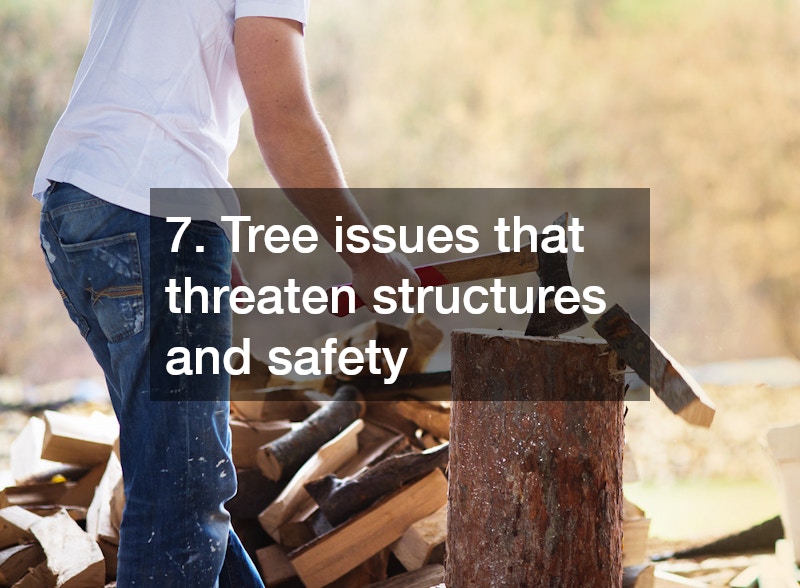
Trees add beauty and shade, but when neglected, they can become serious hazards.
Overgrown branches may scrape roofs or siding during storms, while aggressive root systems can damage foundations and underground utilities. Dead or weakened trees are especially dangerous in high winds.
Common red flags include:
- Cracked or leaning trunks
- Large dead branches overhead
- Roots lifting sidewalks or driveways
- Limbs hanging over the home
Delaying action increases:
- Risk of roof punctures
- Foundation and drainage damage
- Emergency cleanup after storms
Timely tree removal or trimming reduces the likelihood of sudden, costly damage and improves overall property safety.
8. Window treatments that quietly affect comfort
Window coverings aren’t just decorative—they play a role in regulating indoor temperatures and protecting interiors.
When shutters no longer fit properly or fail to block sunlight effectively, homes may experience increased heat gain in summer and heat loss in winter. Over time, this puts extra strain on climate control systems and fades interior finishes.
Signs upgrades may be needed:
- Drafts near windows
- Excessive glare or heat in certain rooms
- Warped or broken components
- Difficulty opening or closing coverings
Benefits of addressing the issue early include:
- Improved indoor comfort
- Reduced energy consumption
- Better protection for flooring and furniture
Well-maintained interior shutters help balance aesthetics with functional performance.
9. Failing exterior paint that exposes your home
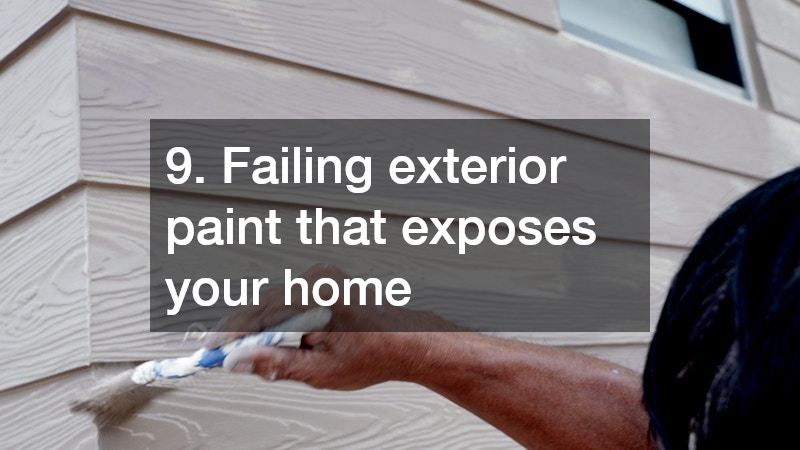
Peeling or cracking paint isn’t just an eyesore—it’s often the first sign that exterior surfaces are being exposed to moisture and weather damage.
Once protective coatings fail, wood and other materials absorb water, leading to swelling, cracking, and decay. Delaying repainting allows deterioration to spread.
Early warning signs:
- Flaking or blistering paint
- Discoloration or chalky residue
- Bare wood exposed to the elements
- Water stains near trim and joints
Choosing the right products and preparation methods is critical. Guidance from a paint store can help homeowners select coatings suited to their climate and surface type, preventing repeated failures.
10. Minor roof issues that escalate into emergencies
Small roofing problems rarely stay small. Loose shingles, damaged flashing, or clogged drainage areas can quickly worsen under normal weather conditions.
Wind and temperature changes exploit weak spots, turning manageable repairs into urgent situations—often during storms when repairs are hardest to schedule.
Signs that shouldn’t be ignored:
- Shingles missing granules
- Flashing pulling away from joints
- Water pooling near roof edges
- Debris buildup in valleys
Early intervention helps:
- Preserve interior ceilings and walls
- Avoid insurance complications
- Maintain overall structural integrity
Routine inspections by a local roofer catch these issues before they spiral into full-scale damage.
Why early action saves more than money

Home problems don’t just affect budgets—they impact safety, comfort, and peace of mind. When issues are left unresolved, they can introduce hazards that put occupants at risk, disrupt daily routines, and create ongoing stress. What may start as a small annoyance can quickly become a source of uncertainty, especially when homeowners are unsure how serious the problem might be or how much it could ultimately cost to fix.
Small repairs handled early are typically faster, less disruptive, and far more affordable than emergency fixes. Addressing an issue while it’s still contained often means limited access points, shorter repair timelines, and fewer materials involved. In contrast, delayed repairs tend to require larger crews, more extensive demolition, and longer recovery times, all of which increase both cost and inconvenience.
Early repairs also help homeowners avoid:
- Sudden system failures that happen at the worst possible time
- Unplanned expenses that strain household finances
- Damage spreading to surrounding materials or systems
- Temporary loss of essential functions like heating, cooling, or water
By paying attention to subtle warning signs and addressing issues before they escalate, homeowners protect not only their property but also the people living inside it. Small changes—such as unusual sounds, lingering odors, or shifts in comfort—often serve as early alerts that something needs attention. Responding to these signals early can prevent situations that compromise indoor air quality, structural stability, or overall safety.
Preventative care isn’t about perfection or constant upgrades. It’s about developing an awareness of how a home behaves over time and recognizing when something changes. Timing plays a critical role; addressing an issue early often provides more options and flexibility, while waiting can limit choices and increase urgency.
A preventative mindset helps homeowners:
- Make decisions based on long-term impact rather than short-term convenience
- Plan repairs instead of reacting to emergencies
- Preserve the value and livability of their home
- Reduce stress by staying ahead of potential problems
Making informed decisions early allows homeowners to stay in control of their maintenance priorities. Rather than dealing with regret after a problem has grown, proactive attention helps ensure that small issues are resolved while they’re still manageable, protecting both the home and the people who depend on it every day.