

Key Takeaways
- Watch for ceiling stains, peeling paint, damp insulation, and musty odors that may indicate a hidden roof leak.
- Inspect accessible attic areas for moisture, dark stains, wet insulation, and other signs of water intrusion.
- Check the roof safely from the ground for missing materials, damaged flashing, blocked valleys, and drainage problems.
- Pay special attention to vents, chimneys, skylights, and other roof openings where leaks may develop.
- Inspect your home after severe weather and document any visible roof or interior damage.
- Never ignore small or occasional leaks because repeated moisture can eventually damage ceilings, insulation, walls, and structural materials.
- Make regular roof inspections part of home maintenance and call a qualified professional when safe diagnosis or repair requires roof access.
A small roof leak can turn into a much larger home repair if it goes unnoticed. Water may enter through a tiny opening, travel along roof framing, and appear inside the house far from the actual source. By the time you see a stain on the ceiling, moisture may already have reached insulation, drywall, wood, or other materials.
Finding roof leaks early can help limit damage and give you more time to arrange repairs. The challenge is that leaks are not always obvious. Some only appear during heavy rain or when wind pushes water in a certain direction.
Regular inspections can help you notice warning signs before water causes serious problems. You do not necessarily need to climb onto the roof to spot trouble. Many useful checks can be completed from inside the house, in the attic, or safely from the ground.
If you suspect a leak, focus first on locating signs of moisture and protecting the interior. Roof work can be dangerous, especially on steep, wet, damaged, or high surfaces. When the source cannot be safely identified from accessible areas, contact a qualified roofing professional.
Here is how to look for a roof leak before it becomes a major home repair.
1. Watch for Water Stains on Ceilings and Walls
One of the most common signs of a roof leak is discoloration on a ceiling or wall.
Water stains may appear yellow, brown, or darker than the surrounding paint. They can form rings, irregular patches, or streaks. A stain may grow after heavy rain and become less noticeable when conditions are dry.
Do not assume the roof opening is directly above the stain. Water can travel along rafters, pipes, wiring, insulation, and other building materials before reaching the visible ceiling.
Mark the edge of a stain lightly with a pencil if appropriate. This can help you determine whether the affected area is growing after the next rainfall.
Also pay attention to bubbling paint, peeling finishes, sagging drywall, or soft areas. These may indicate that moisture has collected behind the surface.
If a ceiling is bulging or appears unstable, avoid standing underneath it. Wet building materials can become heavy and may fall.
2. Check the Attic for Moisture
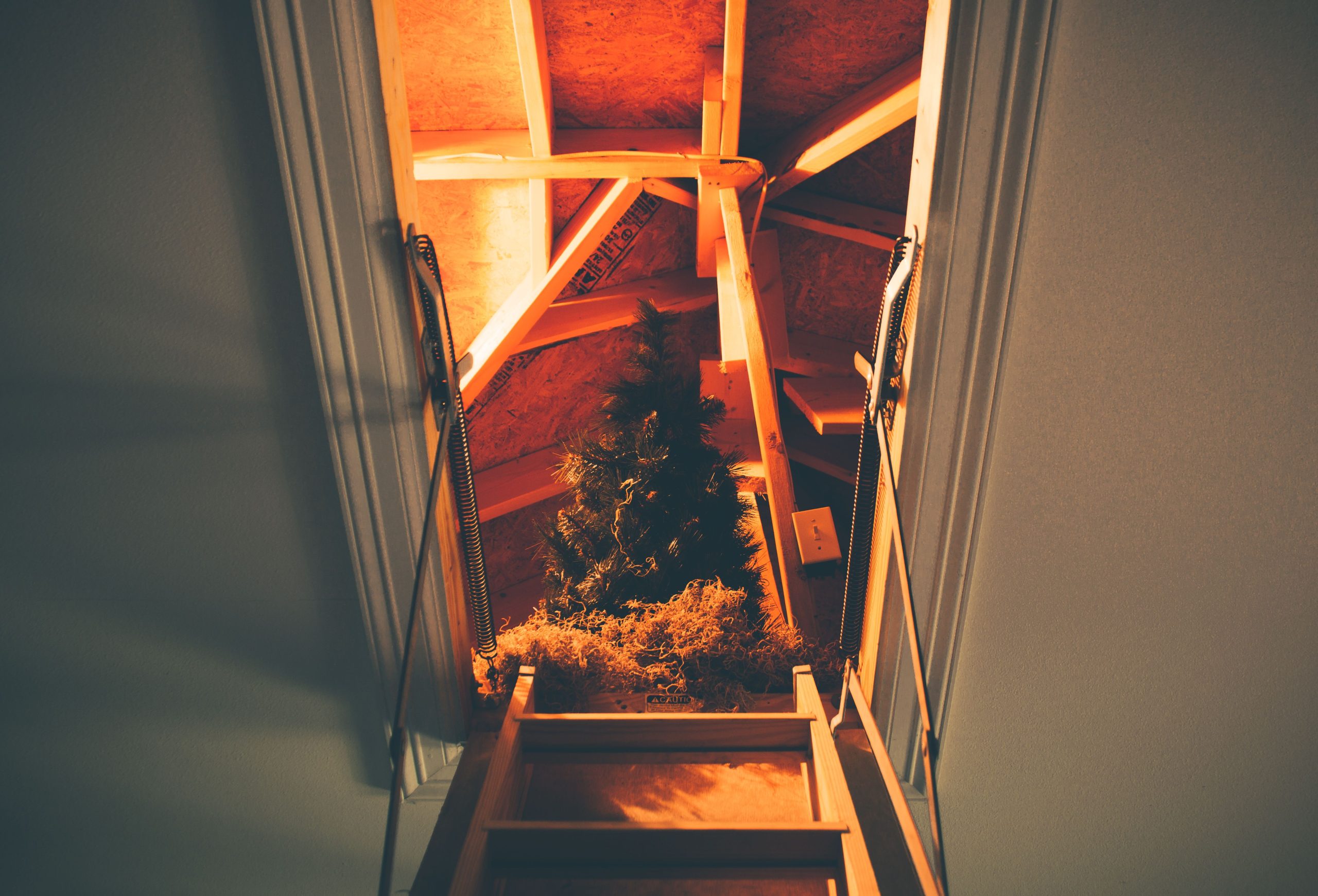
The attic can provide important clues about where roof water is entering.
If you can safely access the attic, look for wet insulation, dark stains on wood, damp roof decking, water droplets, or signs of mold-like growth. A musty smell may also suggest excess moisture.
Use a flashlight and stay on safe walking surfaces. Do not step between ceiling joists or onto insulation because the material below may not support your weight.
During daylight, you may also notice small points of light coming through openings in the roof. However, not every leak will produce visible daylight, and some openings may be related to intentional ventilation.
The best time to check for an active leak may be during or shortly after rainfall, but only enter the attic if conditions are safe. Never expose yourself to electrical hazards or unstable materials.
If you find moisture, note its location relative to roof features such as vents, chimneys, valleys, and exterior walls. This information can help a roofing professional narrow down the source.
3. Inspect the Roof From the Ground
You can identify many potential roofing problems without climbing a ladder.
Walk around the property and view the roof from several safe locations. Binoculars or a camera with zoom can help you inspect areas that are difficult to see.
Look for missing, cracked, curled, lifted, or visibly damaged shingles. On other roofing systems, look for displaced or damaged panels, tiles, or other materials.
Check whether the roofline appears uneven or whether any sections seem to sag. Sagging can indicate a more serious structural or moisture problem and should be evaluated promptly.
You may also notice debris collecting in valleys or around roof features. Leaves and branches can interfere with drainage and keep areas wet.
After a storm, inspect the yard for roofing materials that may have fallen from the house.
Avoid walking on the roof to get a closer look. Besides the risk of falling, walking on certain materials can cause additional damage.
4. Pay Attention to Flashing
Flashing helps direct water away from areas where the roof meets another surface or feature.
You may find flashing around chimneys, vents, skylights, walls, and roof valleys. If it becomes loose, damaged, corroded, or improperly installed, water may enter around these vulnerable areas.
From the ground, look for flashing that appears bent, lifted, missing, or separated from surrounding materials. Some problems may not be visible without closer inspection, which is one reason professional roof evaluations can be useful.
Do not rely on adding random layers of caulk to suspicious areas. Sealant may provide temporary protection in some situations, but it is not a substitute for correctly installed flashing.
Repeated leaks near the same roof feature may indicate that the underlying installation needs repair rather than another surface patch.
When a professional inspects the roof, ask them to explain where the water is likely entering and what repair is needed to restore proper drainage.
5. Check Roof Valleys and Drainage Areas
Roof valleys are locations where two sloping roof sections meet. Because water from both surfaces flows toward the valley, these areas handle a large amount of runoff.
Leaves, branches, pine needles, and other debris can collect there and interfere with drainage. Damaged roofing materials or flashing in a valley may also allow water to enter.
Inspect visible valleys from the ground whenever possible. Look for debris buildup, damaged materials, or anything that appears to block the normal path of water.
Gutters and downspouts also affect roof drainage. Clogged gutters can overflow and allow water to reach fascia boards, siding, or other parts of the home.
Keep gutters clear when it can be done safely, and make sure downspouts direct water away from the foundation as appropriate for your property.
If cleaning requires working from a high ladder or accessing a difficult roof edge, hiring a professional may be safer than attempting the job yourself.
6. Look Closely Around Roof Vents
Roof vents create openings through the roofing system, making them common places to investigate when looking for leaks.
Check visible vents for damaged covers, loose components, cracked seals, or surrounding roofing materials that appear worn.
Plumbing vent pipes may also have rubber or metal boots designed to keep water from entering around the pipe. These materials can deteriorate with age and weather exposure.
Water stains near a bathroom or plumbing area do not automatically mean the plumbing is leaking. Rainwater may be entering around a roof penetration and traveling along the pipe before appearing inside.
A professional can inspect these areas more closely and determine whether the vent, flashing, surrounding roofing, or another component needs repair.
Avoid covering ventilation openings in an attempt to stop a leak. Roof and attic ventilation serves an important purpose, and blocking it may create additional moisture or temperature problems.
7. Examine Skylights and Chimneys
Skylights and chimneys create additional roof transitions where leaks may develop.
For skylights, check the interior for staining, peeling paint, or moisture around the frame. Condensation can sometimes be mistaken for a roof leak, so determining the cause is important.
From a safe location outside, look for obvious damage around the skylight or surrounding roofing materials.
Chimneys can develop problems involving flashing, masonry, caps, or other components. Water may enter through damaged materials or through the connection between the chimney and roof.
If the leak appears near one of these features, avoid assuming that applying sealant around the edge will permanently solve the problem.
Proper repair may involve replacing flashing or addressing damaged materials. A qualified professional can determine which part of the system has failed.
Keeping these areas in good condition can help prevent repeated water intrusion.
8. Investigate Leaks After Severe Weather
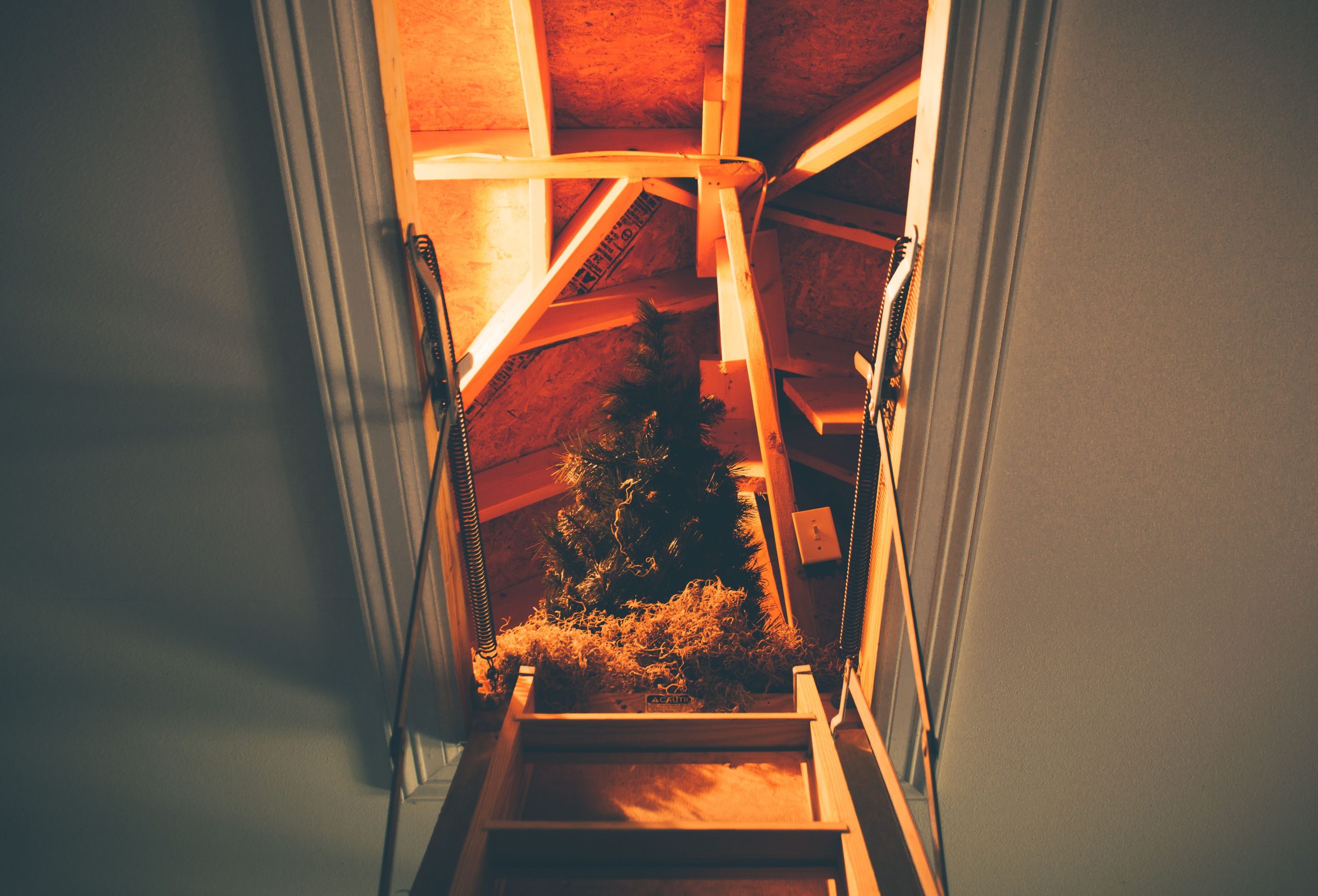
Strong wind, hail, heavy rain, and falling branches can damage a roof quickly.
After severe weather, inspect the property from the ground. Look for missing roofing materials, fallen branches, damaged gutters, or debris around the home.
Inside, check ceilings and attic areas for new stains or moisture. A leak may not appear immediately, so continue watching for changes during future rain.
Document visible damage with photographs from a safe location. This may be useful when discussing repairs or an insurance claim.
If the roof has obvious storm damage, avoid climbing onto it. Materials may be loose, slippery, or structurally unstable.
Temporary protection may sometimes be needed before permanent repairs can be completed. Because installing tarps or other coverings often requires roof access, professional assistance may be the safer option.
Quick action after a storm can reduce the amount of time damaged areas remain exposed to additional rain.
9. Do Not Ignore Small or Intermittent Leaks
A leak that only appears occasionally is still a problem.
Some leaks occur only when rain comes from a certain direction. Others may appear during especially heavy storms or when debris changes the way water drains across the roof.
Because the ceiling dries afterward, homeowners may assume the problem has disappeared. However, repeated moisture can continue damaging materials inside the roof system.
Keep notes about when the leak occurs. Record the date, weather conditions, location of the stain, and whether the affected area grows.
Photographs can also help you compare changes over time.
Do not repeatedly paint over water stains without finding the source. Fresh paint may hide the visible evidence while moisture continues entering the structure.
A small leak is often easier to address before it damages insulation, ceilings, walls, or structural wood. Early investigation can therefore reduce both repair work and disruption.
10. Plan Financially for Roof Repairs
Roof problems can appear unexpectedly, so it helps to include exterior maintenance and repairs in your household budget.
Minor repairs may involve replacing damaged roofing materials or correcting a problem around a vent or flashing. Larger issues may require extensive repairs or, in some cases, roof replacement.
When creating a renovation spending plan, leave room for necessary repairs rather than committing every available dollar to cosmetic upgrades. A roof leak can affect multiple areas of the home if it is allowed to continue.
For larger repairs, obtain detailed written estimates from qualified contractors. Ask what work is included, which materials will be used, how damaged areas will be handled, and whether warranties apply.
Be cautious about automatically choosing the lowest estimate. Compare the proposed scope of work as well as the price.
If insurance may apply to sudden covered damage, review your policy and contact your insurer for guidance. Coverage varies, and normal wear or neglected maintenance may be treated differently from sudden events.
11. Know When to Call a Roofing Professional
Some homeowners can identify basic warning signs themselves, but locating the exact source of a roof leak can be difficult.
Consider professional help when you see active leaking, widespread stains, sagging materials, storm damage, repeated leaks, or signs of structural problems.
You should also call a professional if identifying the problem would require climbing onto a steep, wet, high, or damaged roof.
Roofing contractors have experience tracing water paths and inspecting areas that are difficult to evaluate from inside the home. They can check roofing materials, flashing, penetrations, drainage areas, and other possible entry points.
Ask for an explanation of the problem and the recommended repair. For significant work, a written estimate can help you understand the scope and cost.
Depending on the problem, other professionals may also be needed. For example, significant mold, electrical exposure, structural damage, or interior water damage may require additional specialists.
The priority is to stop water entry safely and address damaged materials before the problem spreads.
12. Make Roof Checks Part of Regular Home Maintenance
You do not have to wait for a visible ceiling stain before thinking about your roof.
Make simple roof observations part of your normal home maintenance routine. Look at the roof from the ground periodically and after major storms. Check for missing materials, debris, gutter problems, and visible changes.
Keep nearby tree branches maintained appropriately to reduce the chance of branches scraping or falling onto the roof. Professional tree care may be needed for large or dangerous branches.
Inside the house, pay attention to new stains, musty odors, peeling paint, or unexplained moisture. Check accessible attic areas occasionally for signs of water.
Keep records of roof inspections, repairs, warranties, and the approximate age of the roofing system. This information can help you understand its maintenance history and prepare for future work.
Regular attention cannot prevent every leak, but it can improve your chances of finding problems before they become major repairs.
Conclusion
Roof leaks can be difficult to locate because water does not always appear directly below the point where it entered. It may travel along framing, pipes, insulation, or other materials before creating a visible stain.
Start by watching for changes inside the home. Ceiling stains, peeling paint, damp insulation, musty odors, and moisture in the attic can all signal a possible problem. Outside, inspect the roof from the ground for damaged materials, drainage problems, and changes around vents, chimneys, skylights, and flashing.
Take small or occasional leaks seriously. Water damage can spread beyond the roofing material and affect ceilings, walls, insulation, and structural components. Recording when and where moisture appears can make it easier to identify patterns.
Most importantly, keep safety in mind. You do not need to climb onto a roof to perform a basic inspection, and risky roof access should be left to qualified professionals. By checking your home regularly and responding quickly to warning signs, you can improve your chances of finding a roof leak before it becomes a much larger and more expensive problem.